Join fellow writers to explore how nature shapes language. This three-day writing retreat is inspired by the life and legacy of longtime New York Times nature columnist, prolific author, and outdoorsman Hal Borland.
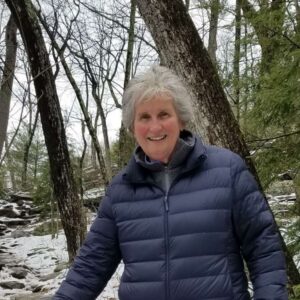
“What does it mean to truly care for a forest? Ethan Tapper explores this question in a compelling and hopeful talk.” Through a message rooted in relationship, responsibility, and hope, Ethan invites us to rethink how we care for the natural world.
14 Aug
4:30 pm - 5:30 pm
Norfolk United Church of Christ12 Litchfield Street
Discover how different forestry practices can be used to create, maintain, or enhance habitat for a wide range of wildlife species. Participants will learn how forest age, structure, and composition influence wildlife use, and how practices such as thinning, regeneration cuts, and habitat diversification can support conservation goals. This class has been approved for 2 CT Forest Practitioner continuing education credits.
Gain insight into the most significant forests pests and pathogens, as well as other emerging threats, impacting Connecticut. Participants will learn how to identify signs of disease and pest damage, how these threats spread, and potential management strategies to reduce affects and improve forest resilience. This class has been approved for 2 CT Forest Practitioner continuing education credits.
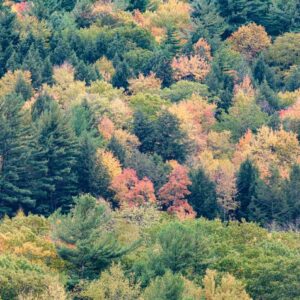
Experience the colors of autumn during this relaxed and creative art workshop. Guided by artist Katie Atkinson, we'll begin with a short mindfulness meditation designed to awaken the senses and encourage a deeper connection to the surrounding landscape. Using oil pastels on heavy paper, we’ll create impressionistic artwork capturing the forest’s brilliant fall colors, shifting light, and seasonal atmosphere.
03 Oct
10:00 am - 11:30 am
GMF Mountain House Barn200 Cannan Mountain Road, Falls Village, CT
Understand how to identify and manage the most common and problematic invasive species plants found in state forests. Participants will discover the ecology of invasive species, why they spread, and how they impact native plant communities. This class has been approved for 2 CT Forest Practitioner continuing education credits.