
Course Overview
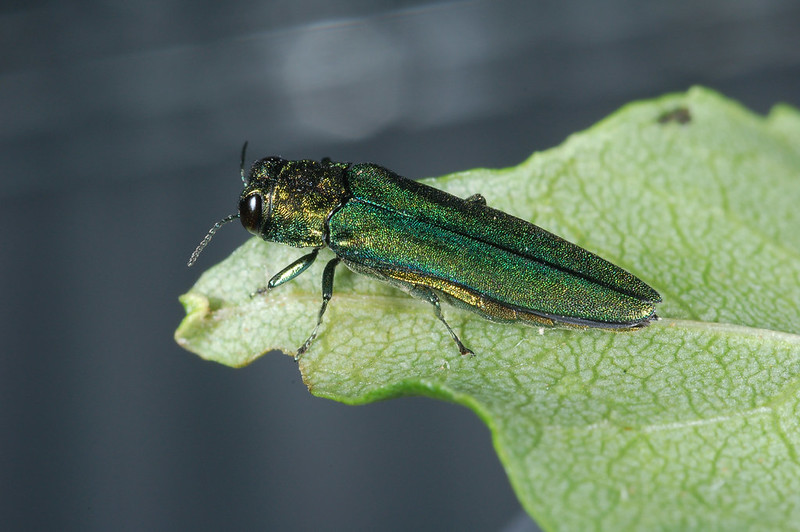
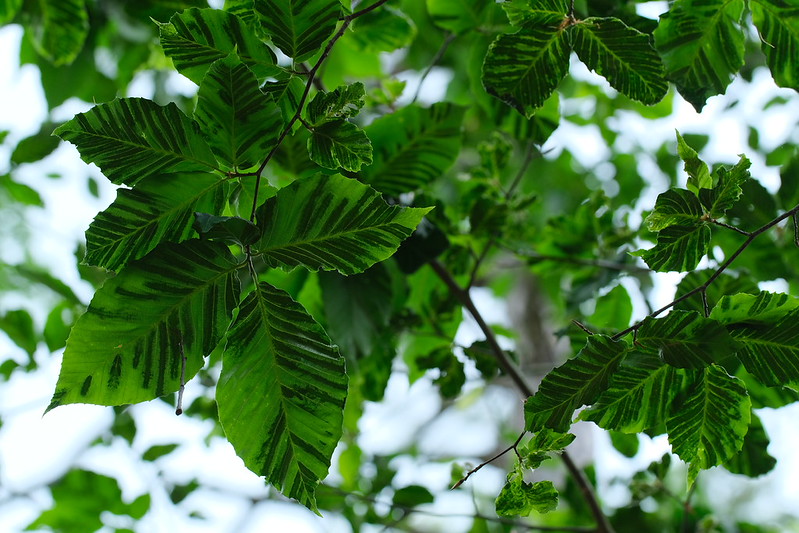
Connecticut’s forests face increasing threats from insects, diseases, and environmental stressors. This course provides an overview of the most significant forest pests and pathogens currently affecting the state, as well as emerging threats on the horizon.
Participants will learn how to identify signs of disease and pest damage, understand how these threats spread, and explore management strategies to reduce impacts and improve forest resilience. Instructors from CAES and DEEP will share current research, monitoring efforts, and practical guidance for land managers.
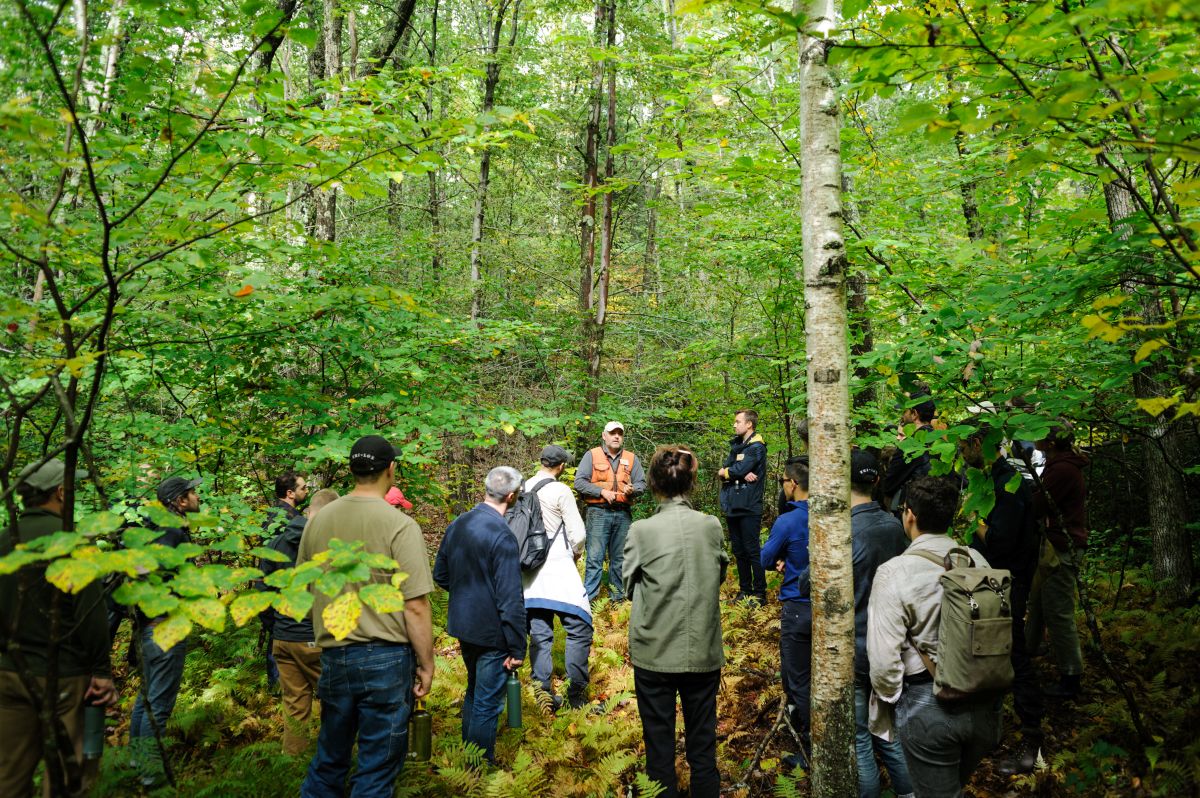
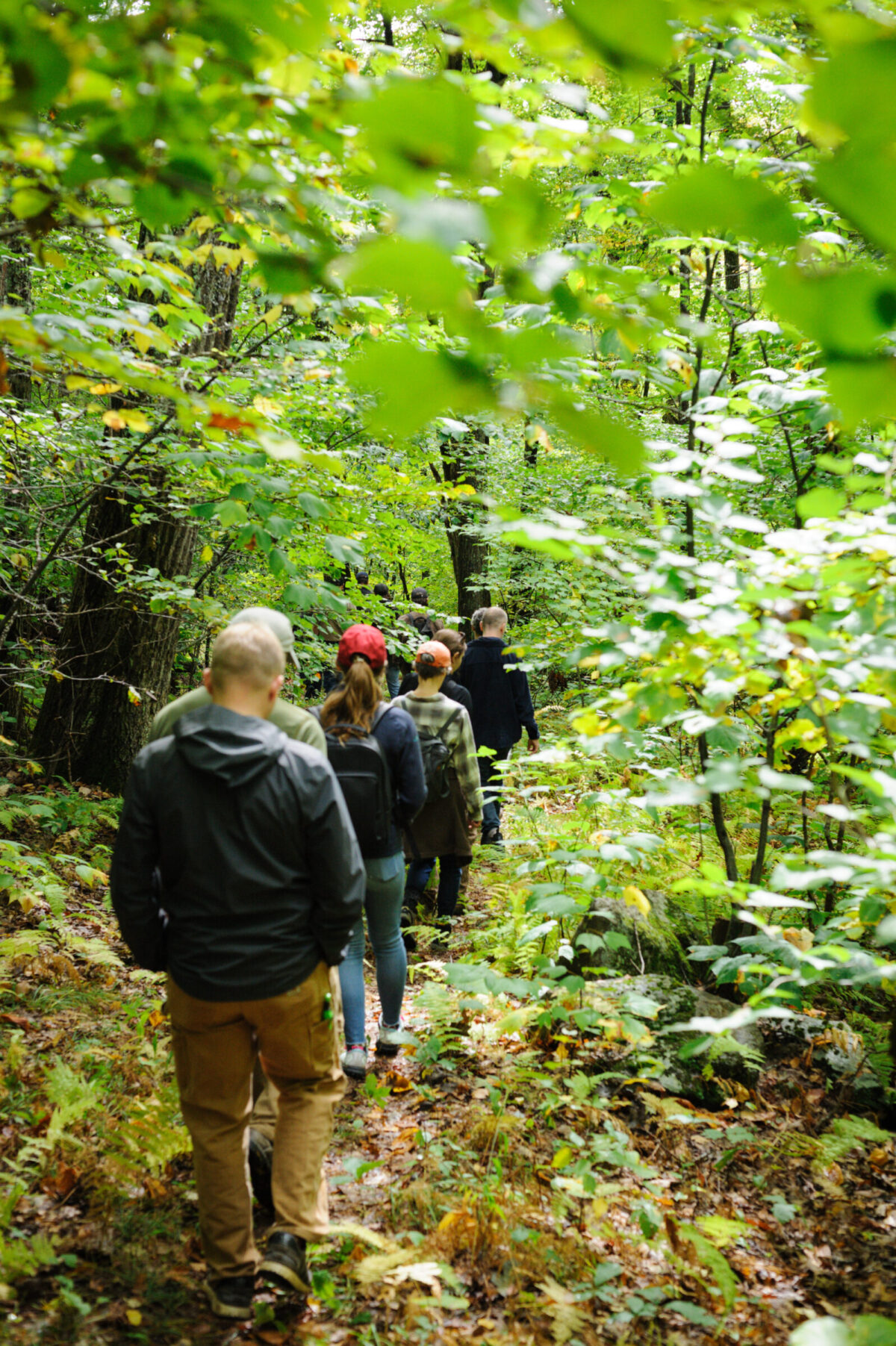
The course includes both classroom instruction and field observations.
Course Goals & Objectives
Identify major forest diseases and pests affecting Connecticut
Understand how these threats impact forest ecosystems and management decisions
Learn management and monitoring strategies to promote forest health
Academic/Professional Credit
This class has been approved for 2 CT Forest Practitioner continuing education credits.
Instructors
Dr. Eli Ward, Assistant Agricultural Scientist II, The Connecticut Agricultural Experiment Station
Dr. Robert Marra, Associate Scientist/Forest Pathologist, The Connecticut Agricultural Experiment Station
Starling Childs, Consulting Forester, Environmental and Ecological Consulting Services & Great Mountain Forest Board Member
Kate Regan-Loomis, Forester, Great Mountain Forest
Physical Requirements
Field components require walking on uneven terrain and standing for extended periods outdoors.
Meals
Coffee, tea, water, and snacks will be provided. Participants should bring their own lunch.
Location
This course will be held at the historic Yale Camp in the heart of Great Mountain Forest. The camp is accessed via the forest’s West Gate to Chattleton Road, off Canaan Mountain Road, in Falls Village, CT (also known as Canaan). Participants will be sent directions.