Course Overview
Forest management decisions play a critical role in shaping wildlife habitat. This course explores how different forestry practices can be used to create, maintain, or enhance habitat for a wide range of wildlife species, from songbirds to mammals and pollinators.
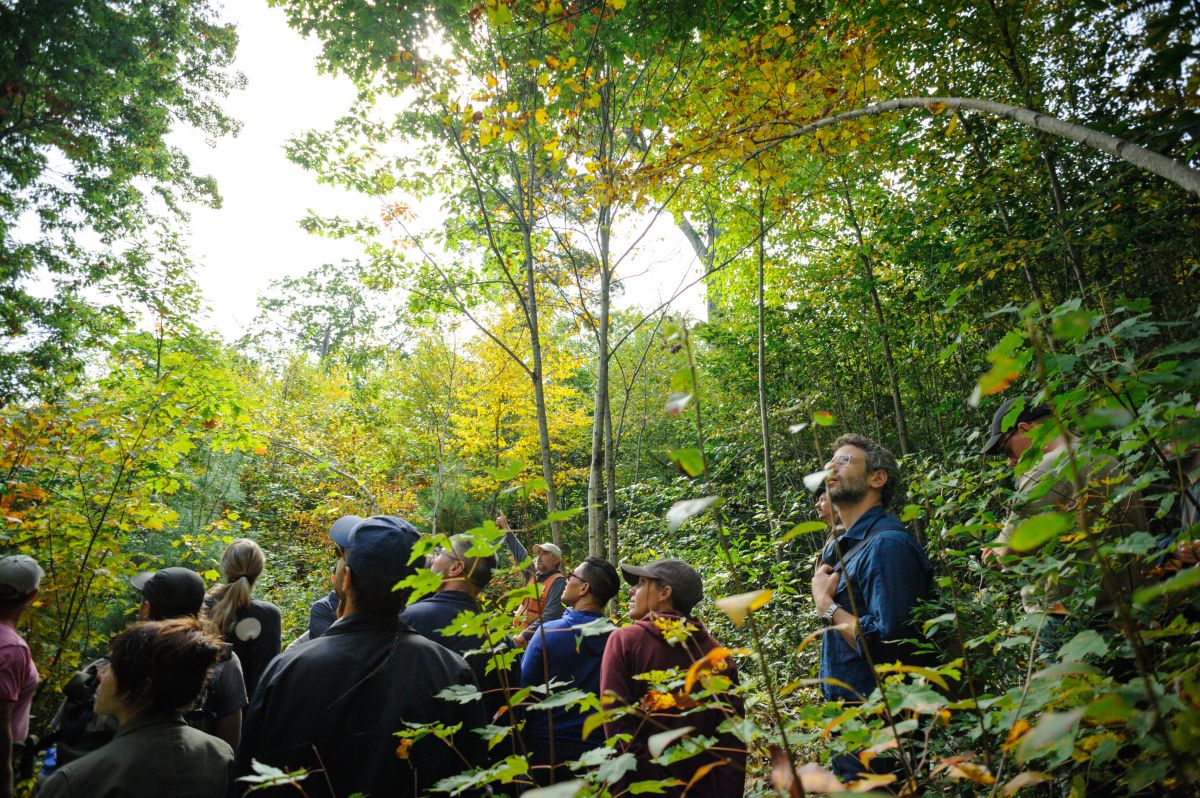
Participants will learn how forest age, structure, and composition influence wildlife use, and how practices such as thinning, regeneration cuts, and habitat diversification can support conservation goals. The course blends classroom learning with field visits to examine real-world examples of wildlife-focused forest management.
Presented by experts from DEEP and Audubon, this course highlights practical strategies that balance ecological outcomes with landowner objectives.
Course Goals & Objectives
Understand how forest structure and management influence wildlife habitat
Learn forestry techniques that support diverse species and age classes
Integrate wildlife habitat goals into broader forest management plans
Academic/Professional Credit
This class has been approved for 2 CT Forest Practitioner continuing education credits.
Instructors
Peter Picone, Wildlife Biologist, Connecticut DEEP
Eileen Fielding, Center Director, Sharon Audubon Center
Kate Regan-Loomis, Forester, Great Mountain Forest
Physical Requirements
Participants should expect significant field time and be comfortable walking off-trail over uneven terrain and standing for several hours in variable weather.
Meals
Coffee, tea, water, and snacks will be provided. Participants should bring their own lunch.
Location
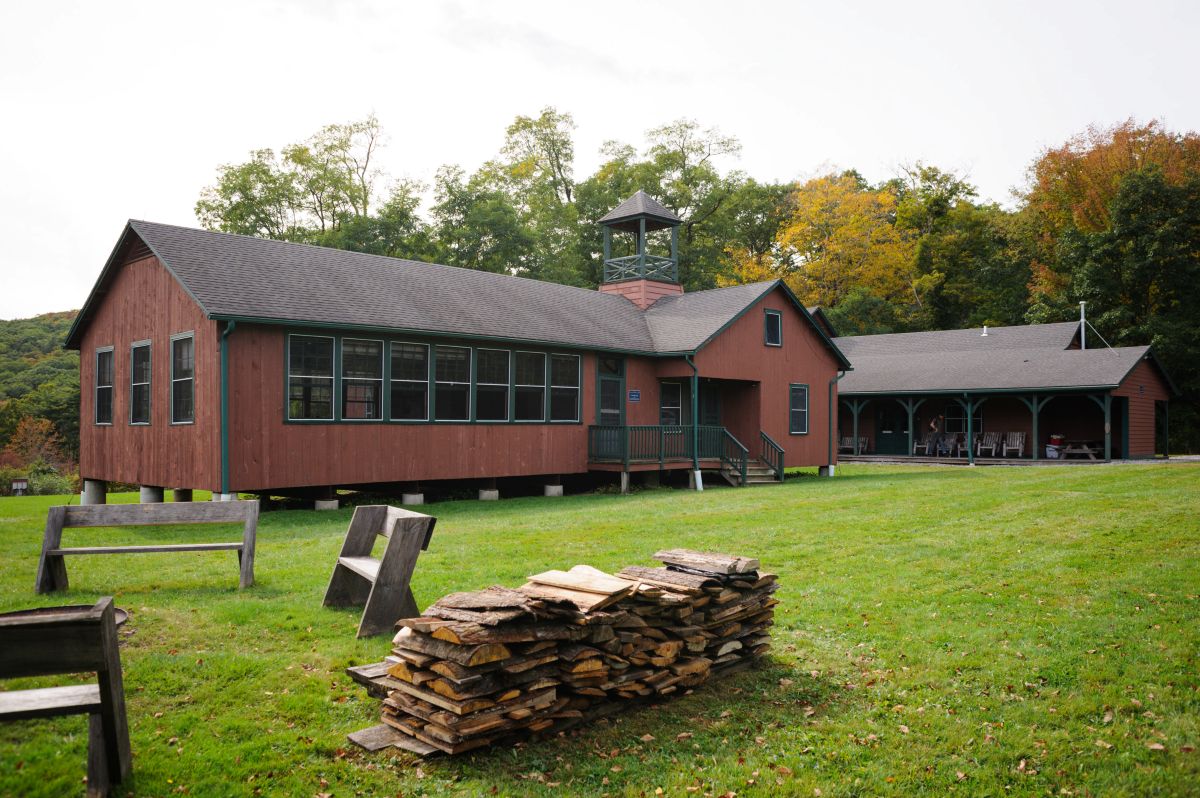
This course will be held at the historic Yale Camp in the heart of Great Mountain Forest. The camp is accessed via the forest’s West Gate to Chattleton Road, off Canaan Mountain Road, in Falls Village, CT (also known as Canaan). Participants will be sent directions.