A GMF Winter Lecture co-hosted with the Norfolk Nature Alliance.
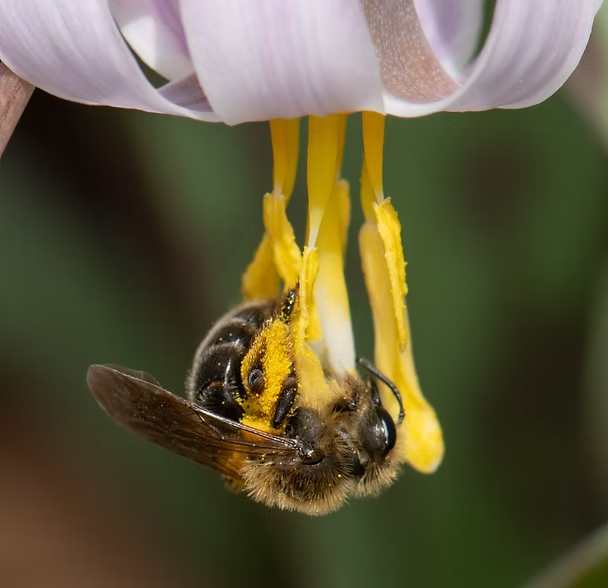
Pollinators use all forest stages and ages. Recommendations for supporting diverse native pollinators usually focus on summer-blooming gardens, meadows, and open spaces. But that is only part of the story. In fact, spring crops near forest patches often show increased pollinator activity–and even benefits to yield and fruit quality! Research to untangle this paradox has found that one third of northeastern bees rely on forest habitats for at least part of their life cycle. Many fully forest-associated species are spring-flying, have solitary life cycles, and rely on healthy forest soils, complex deadwood, resins, saps, and a diverse bouquet of understory, mid-story — and even canopy flowers. This talk will introduce forest-bee natural history connections. We will organize the talk with a practical focus on several “focal bees” that are charismatic representatives of the importance of a desirable element of forest health or resiliency. We hope that you leave the talk with “buzzing” with the new ability to discuss how an ecological approach to forest stewardship connects to native bee biology.
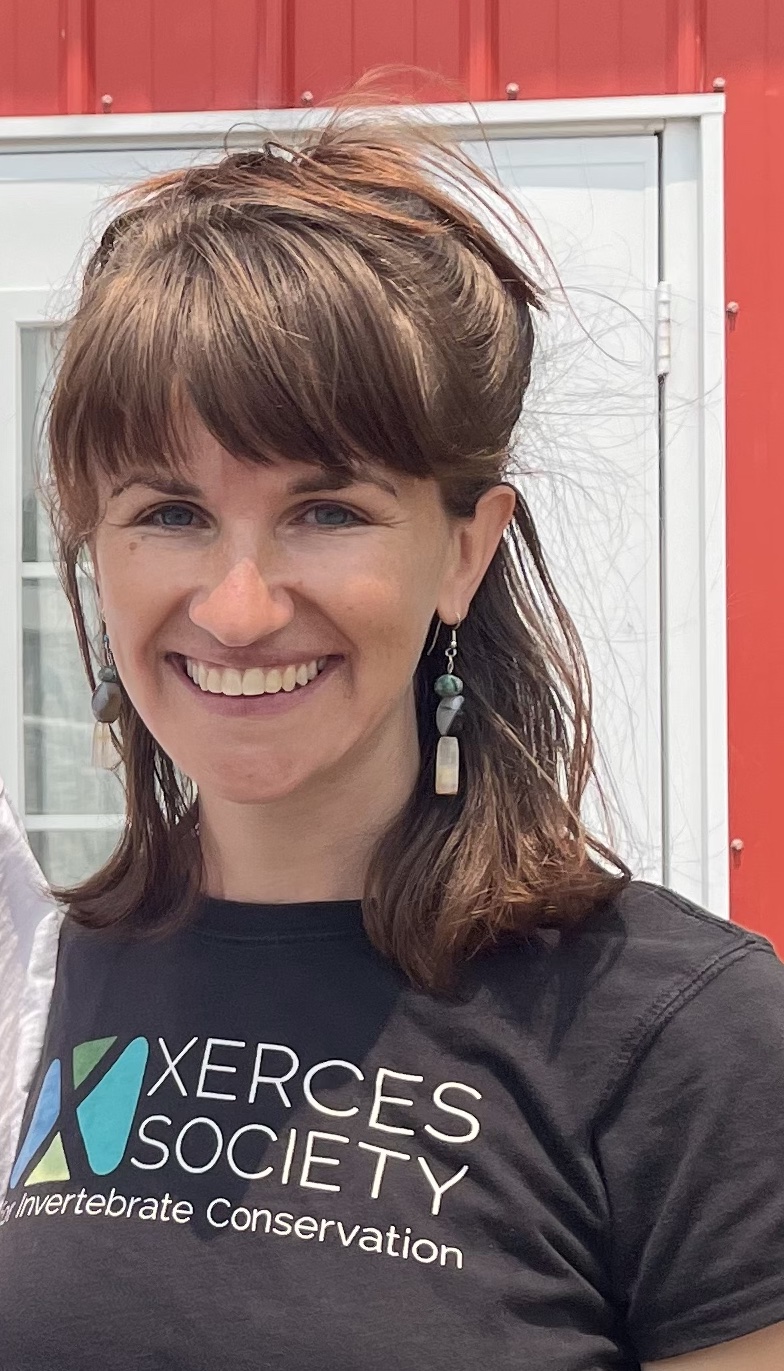
Kass Urban-Mead PhD
Pollinator Conservation Biologist & NRCS Partner Biologist
The Xerces Society for Invertebrate Conservation
As a pollinator conservation specialist at Xerces, Kass Urban-Mead works with staff and research partners to develop technical guidelines and provide training on pollinator conservation practices. She directly assists with planning, designing, installing, and managing habitat in forested, agricultural, and urban areas. She completed an MSc at the Yale School of Forestry. Her PhD work in the Cornell Entomology Department characterized the wild bee communities active in early spring forests and forest canopies. She quantified the canopy pollen consumed by spring-active bees, and the movement of bees between forests and spillover into apple orchards. Kass grew up raising 4-H dairy goats in the lower Hudson Valley of NYS.