Plants: The Forest’s Superheroes (K-2)
Most Prevalent Themes:
ELA (Grades K–2):
Students build communication and science literacy skills through collaborative discussions, asking and answering questions, recording observations, using evidence from investigations, and developing vocabulary related to plants, pollinators, habitats, biodiversity, and stewardship. Connections: SL.K–2.1 • W.K–2.2
NGSS (Grades K–2):
Students investigate what plants need to grow and survive, explore how animals help plants through pollination and seed dispersal, and use simple models and design challenges to demonstrate their understanding.
Connections: 2-LS2-1 • 2-LS2-2 • K-2-ETS1-2
Audience:
Kindergarten and Elementary School
Duration:
2 ½ hours
Description
Step into the role of a young botanist and discover how plants make life possible in Great Mountain Forest. Through hands-on investigations, students will explore how plants use sunlight, water, and air to grow while providing food and shelter for countless forest animals. Students will investigate leaves, seeds, flowers, and pollinators, discovering the amazing adaptations that allow plants to survive and reproduce.
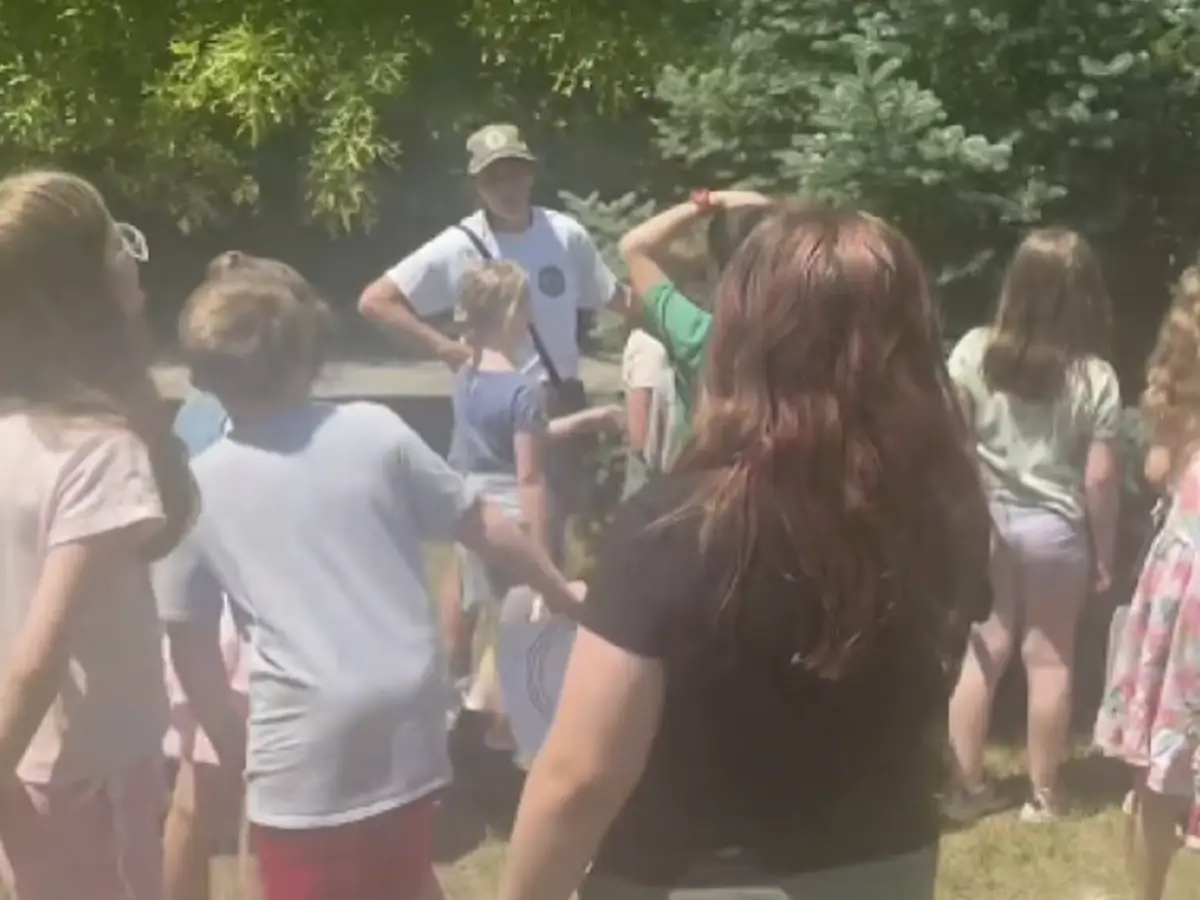
As students rotate through interactive field stations and hike through the forest, they will gather evidence that plants are the foundation of healthy ecosystems. They will observe native plants, examine different leaf and seed adaptations, model pollination and seed dispersal, and discover how people can care for forests that support plants, pollinators, birds, and wildlife.
Throughout the day, students will build an understanding that every plant is connected to countless other living things- and that stewardship means protecting these relationships for future generations.
Learning Intentions:
By the end of the session, students will be able to:
- Explain that plants need sunlight, water, air, and space to grow.
- Investigate basic parts of plants.
- Identify several ways seeds travel.
- Explain how animals help plants through pollination and seed dispersal.
- Describe how native plants support insects, birds, and other wildlife.
- Recognize that healthy forests depend on biodiversity.
- Describe ways people can protect native plants and pollinators.