Elementary School Programs
Program Length: Half-Day (2½ hours) or Full-Day (5 hours), with activities tailored to the length of your visit.
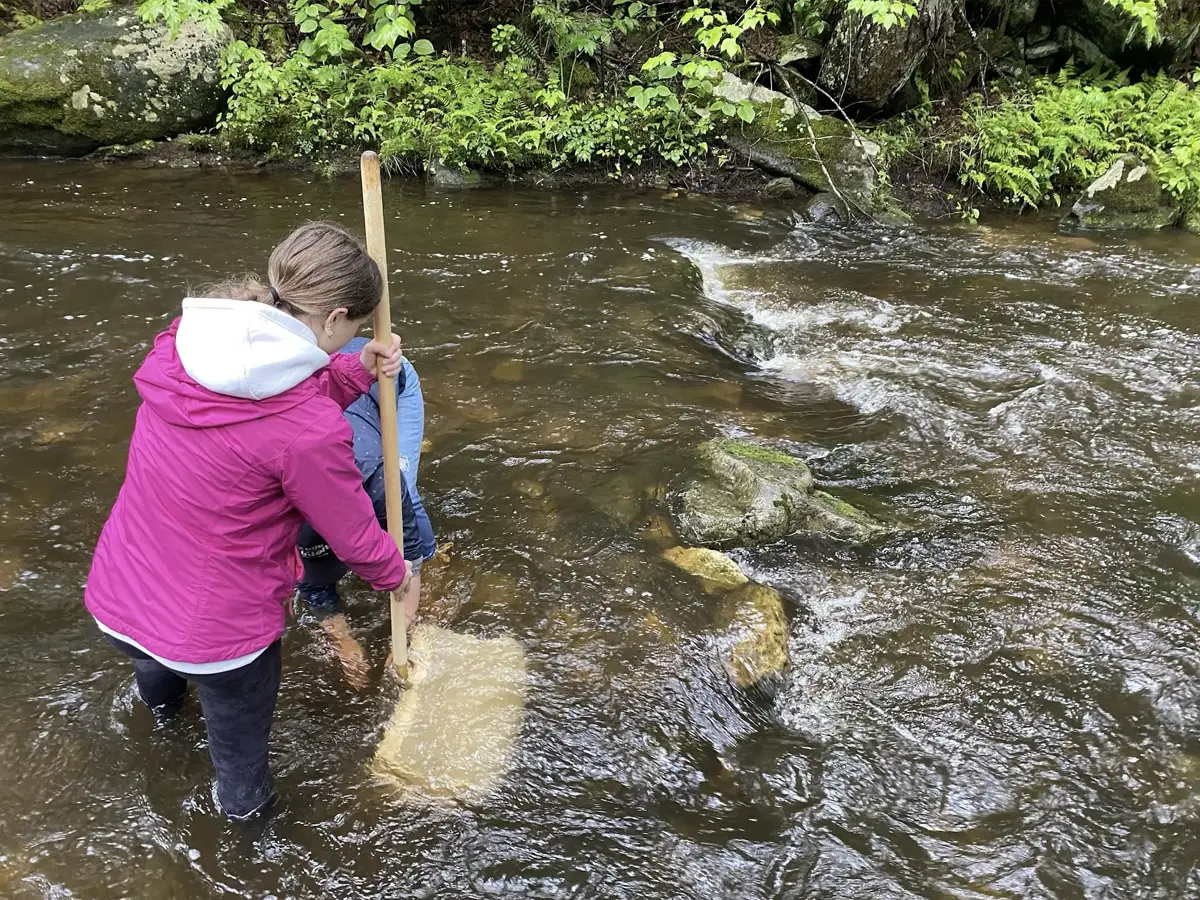
Aquatic Explorers: Discovering the Tiny Life in Forest Waters (K-4)
Explore the hidden life of freshwater habitats by discovering aquatic organisms, investigating the water and surrounding forest, and finding clues that reveal what makes healthy forest water.
Most Prevalent Themes:
ELA (Grades K–4):
Students strengthen communication and science literacy skills by discussing their discoveries, describing observations, and using drawing and writing to record and share information from field investigations. Connections: W.K–4.2 • SL.K–4.1 • SL.K–4.4NGSS (Grades K–4):
Students observe and investigate plants and animals to discover what they need to survive, how their structures support survival and growth, how organisms vary across habitats, and how living things respond to environmental conditions and change. Connections: W.K–4.2 • SL.K–4.1Duration:
2 ½ hours
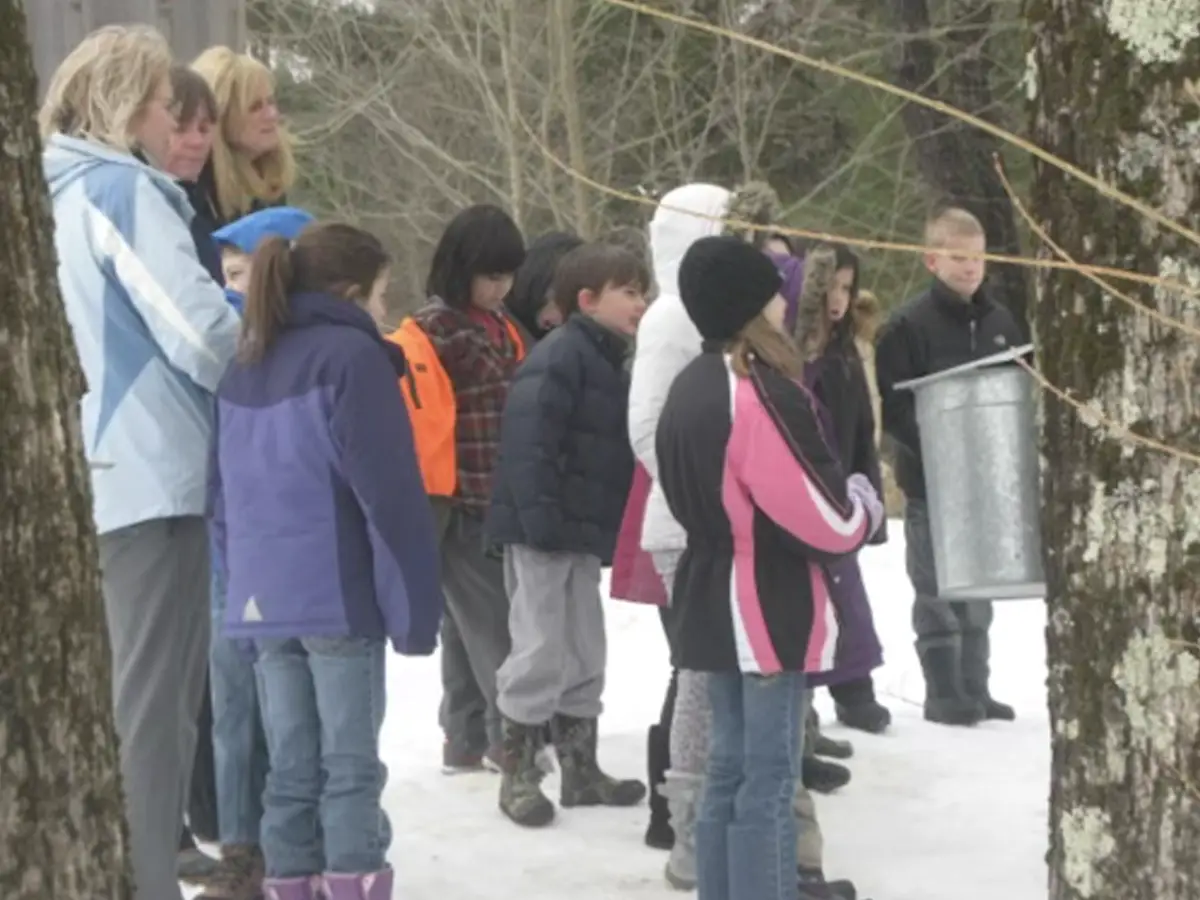
Sap to Syrup: A Maple Tree Adventure (K-4)
Follow the journey from tree to treat! Identify sugar maples, discover what happens inside a tree, follow sap to the sugarhouse, and see how sap becomes maple syrup.
Most Prevalent Themes:
ELA (Grades K–4):
Students use drawing, writing, observations, and evidence to record and communicate what they discover during their investigations. Connections: W.K–4.2NGSS (Grades K–4):
Students use observations and investigations to explore what plants and animals need to survive, how their structures support growth and survival, and how living things respond to changes in their environment. Connections: K-LS1-1 • 1-LS1-1 • 2-LS2-1 • 3-LS4-4 • 4-LS1-1Duration:
2 ½ hours
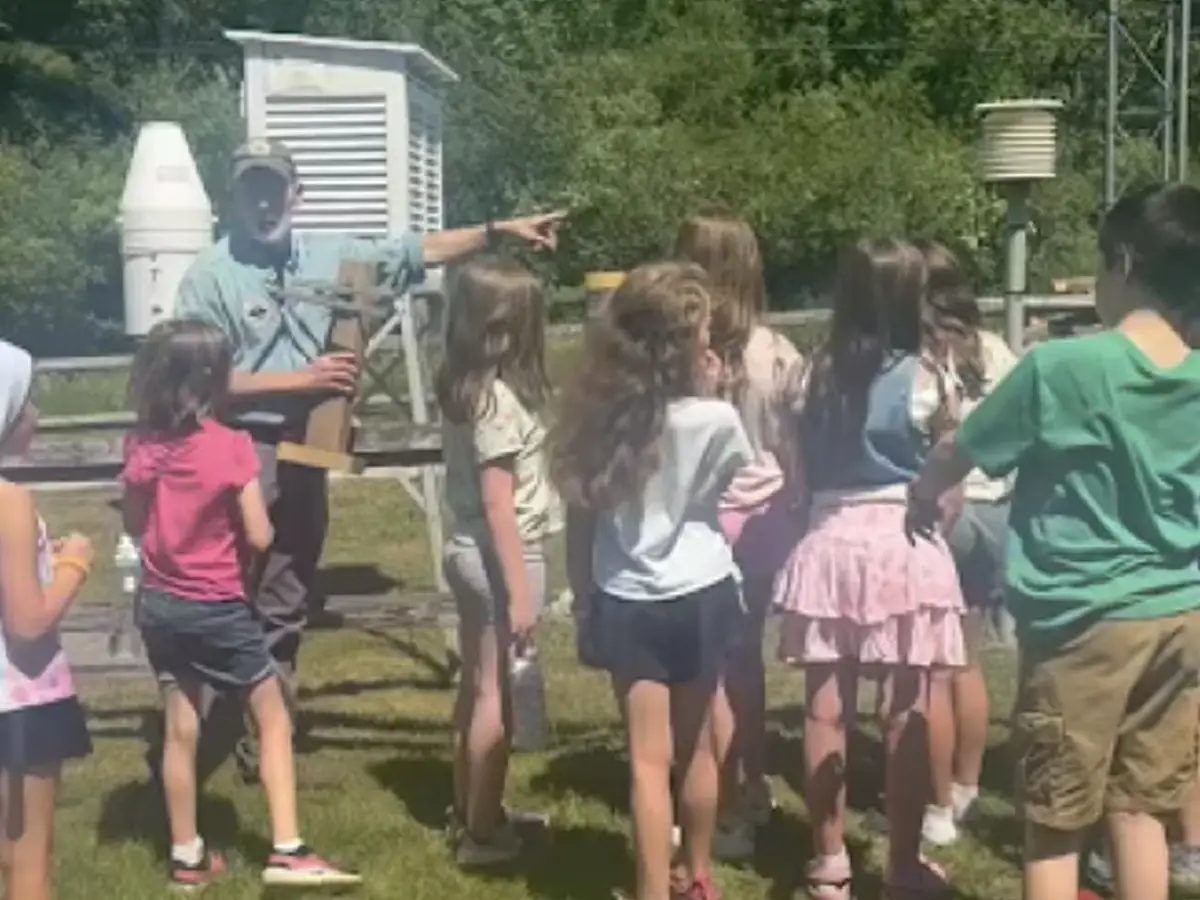
Weather Affects Forest: Weather, Seasons, and Life in the Woods (3-4)
Use real weather instruments, explore seasonal changes, and compare forest microclimates to discover how weather influences plants, animals, and life in the forest.
Most Prevalent Themes:
ELA (Grades 3–4):
Students strengthen communication and science literacy skills through collaborative discussions, asking and answering questions, recording field observations, using evidence to support explanations, and developing vocabulary related to weather, climate, and ecosystems. Connections: SL.3–4.1 • W.3–4.8NGSS (Grades 3–4):
Students investigate weather and microclimates, collect and analyze field data, and explore how environmental conditions affect plants and animals. They use observations and evidence to explain patterns, adaptations, and responses to environmental change. Connections: 3-ESS2-1 • 3-LS4-3 • 3-LS4-4 • 4-LS1-1Duration:
2 ½ hours
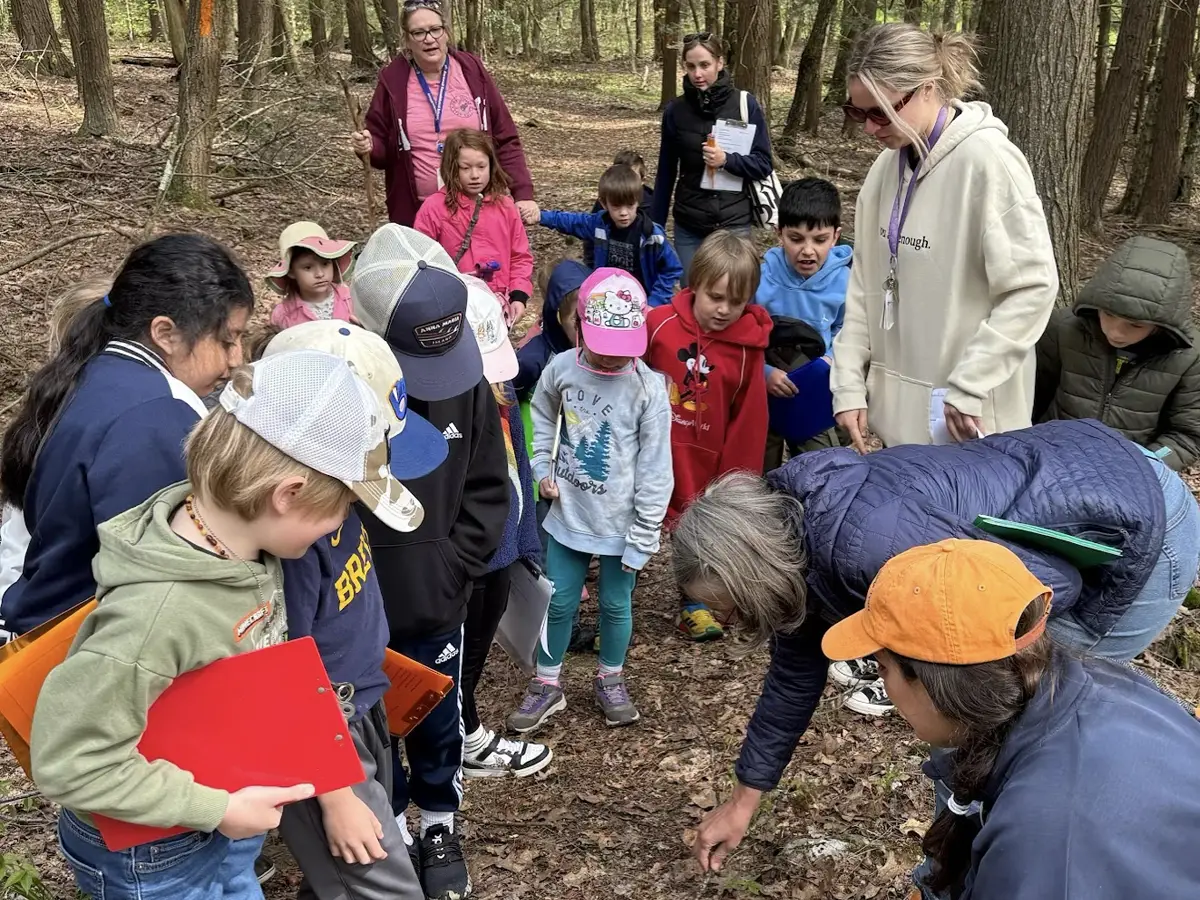
Adaptation Detectives: Wildlife Survival in the Forest (3-4)
Become a wildlife biologist! Investigate skulls, habitats, animal signs, and adaptations to discover how Great Mountain Forest wildlife finds food, stays safe, and survives.
Most Prevalent Themes:
ELA (Grades 3–4):
Students strengthen communication and science literacy skills through collaborative discussions, asking and answering questions, recording observations, constructing evidence-based explanations, and developing vocabulary related to adaptations, habitats, ecosystems, biodiversity, and stewardship. Connections: SL.3.1 • SL.4.1 • W.3.8 • W.4.8NGSS (Grades 3–4):
Students investigate how inherited and environmental traits, physical structures, senses, and behaviors help animals survive in different habitats. They use observations, models, and evidence to explain adaptations and how they contribute to survival. Connections: 3-LS3-2 • 3-LS4-3 • 4-LS1-1 • 4-LS1-2Duration:
2 ½ hours
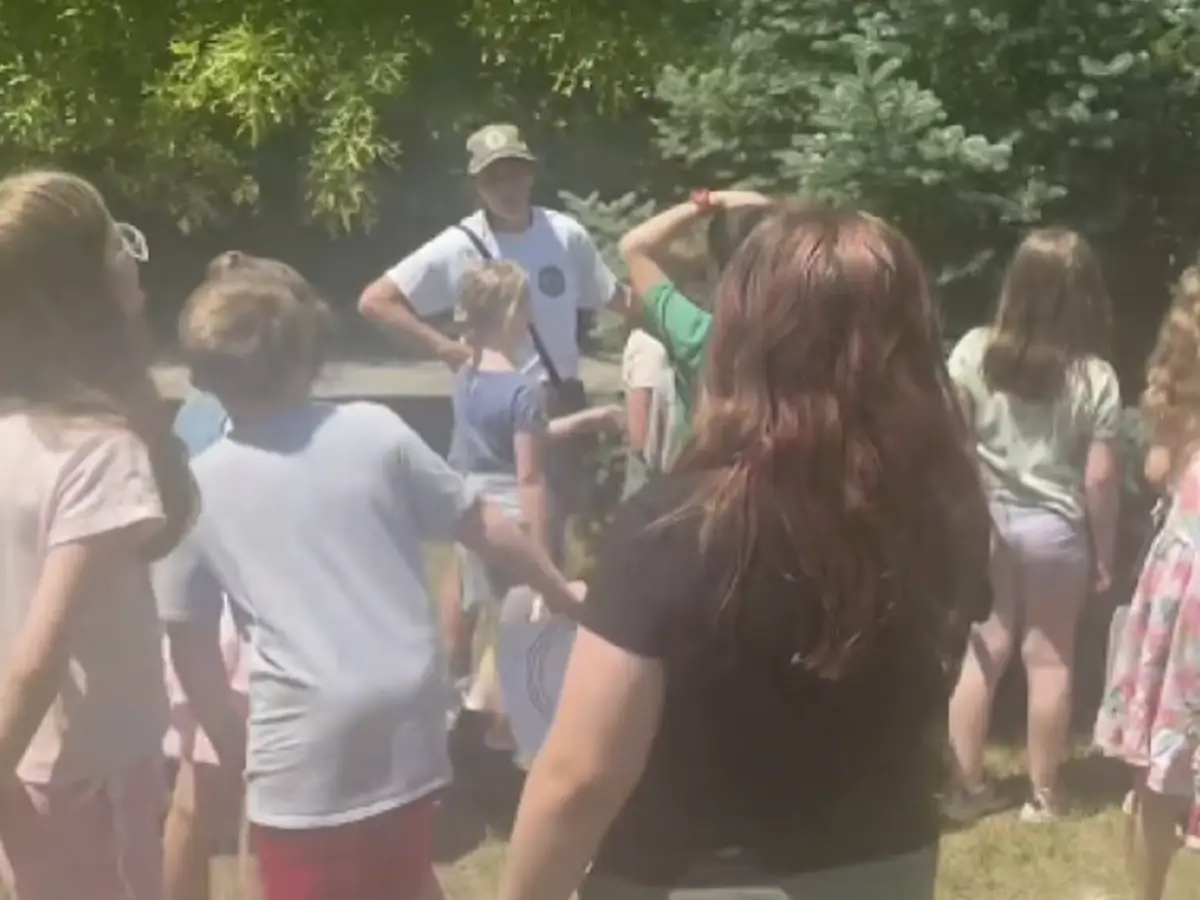
Plants: The Forest’s Superheroes (K-2)
Discover how plants support life in the forest through hands-on investigations of leaves, seeds, flowers, pollinators, and the many connections between plants, and animals.
Most Prevalent Themes:
ELA (Grades K–2):
Students build communication and science literacy skills through collaborative discussions, asking and answering questions, recording observations, using evidence from investigations, and developing vocabulary related to plants, pollinators, habitats, biodiversity, and stewardship. Connections: SL.K–2.1 • W.K–2.2NGSS (Grades K–2):
Students investigate what plants need to grow and survive, explore how animals help plants through pollination and seed dispersal, and use simple models and design challenges to demonstrate their understanding. Connections: 2-LS2-1 • 2-LS2-2 • K-2-ETS1-2Duration:
2 ½ hours
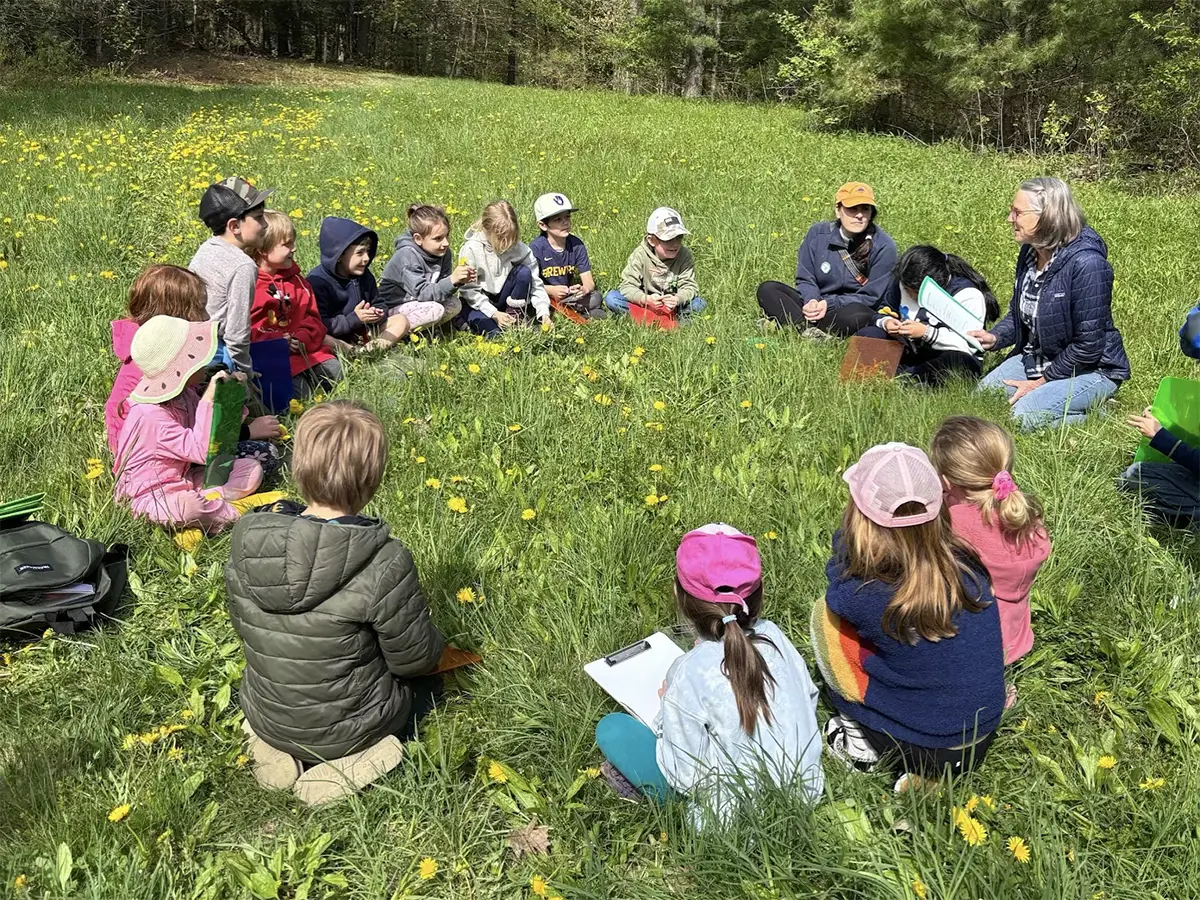
Exploring Our Deciduous Forest: Connecting Stories to Nature (K-2)
Explore the forest through stories, observation, and sensory discovery while learning about forest layers, living and nonliving parts, animal habitats, and how everything is connected.
Most Prevalent Themes:
ELA (Grades K–2):
Students build literacy and communication skills by asking and answering questions, sharing observations and ideas, and using drawing, speaking, and writing to record and communicate what they discover. Connections: W.K–2.2 • SL.K–2.1NGSS (Grades K–2):
Students use observations and hands-on investigations to explore what plants and animals need to survive, how their structures help them live and grow, how living things depend on their habitats, and the diversity of plants and animals in different environments. Connections: LS1 – Needs, Structure & Function • LS2 – Interdependence • LS4 – Habitats & BiodiversityDuration:
2 ½ hours