
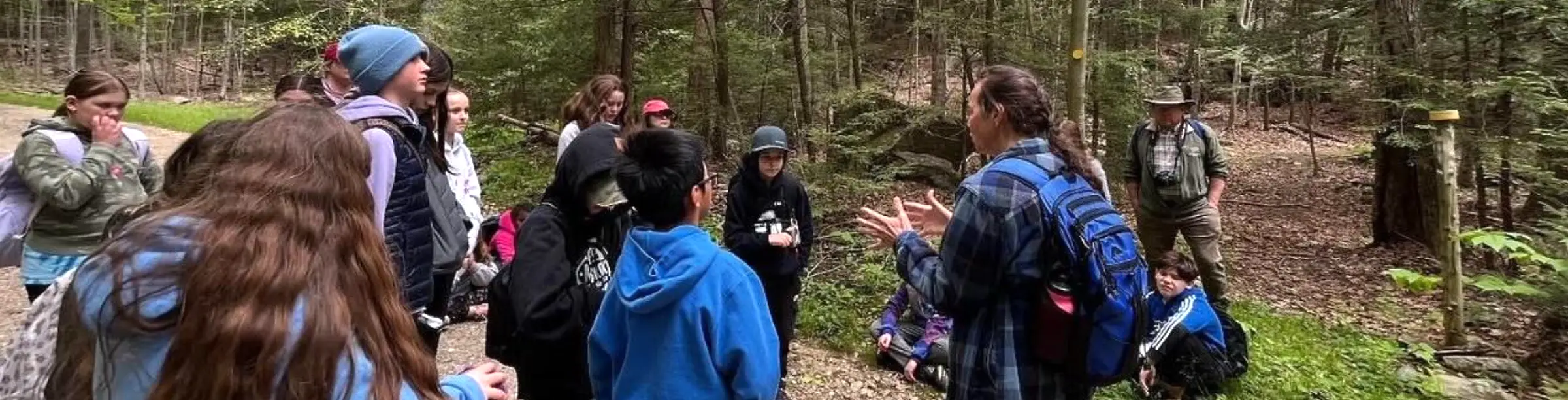
High School Programs
Program Length: Half-Day (2½ hours) or Full-Day (5 hours), with activities tailored to the length of your visit.
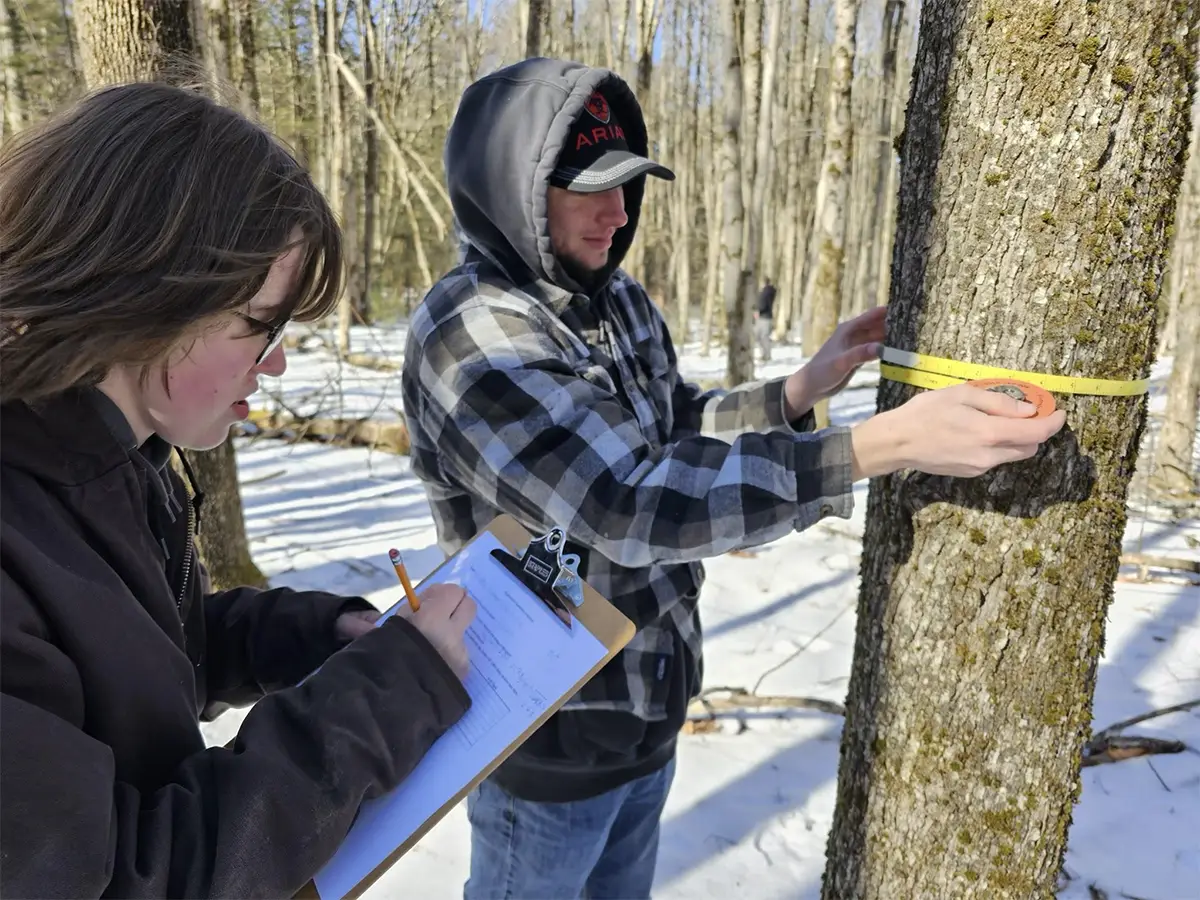
Your Curriculum. Our Forest.
Most Prevalent Themes:
Students engage in authentic field science by:
Asking Questions and Defining Problems – developing questions that can be investigated in a forest environment.
Planning and Carrying Out Investigations – conducting field observations, measurements, sampling, and data collection.
Analyzing and Interpreting Data – identifying patterns and relationships in ecological and environmental data.
Constructing Explanations and Designing Solutions – using field evidence to explain natural processes or consider approaches to environmental challenges.
Engaging in Argument from Evidence – using observations and data to support claims about forest systems, management, or environmental change.
Duration:
2 ½ hours - 5 hours
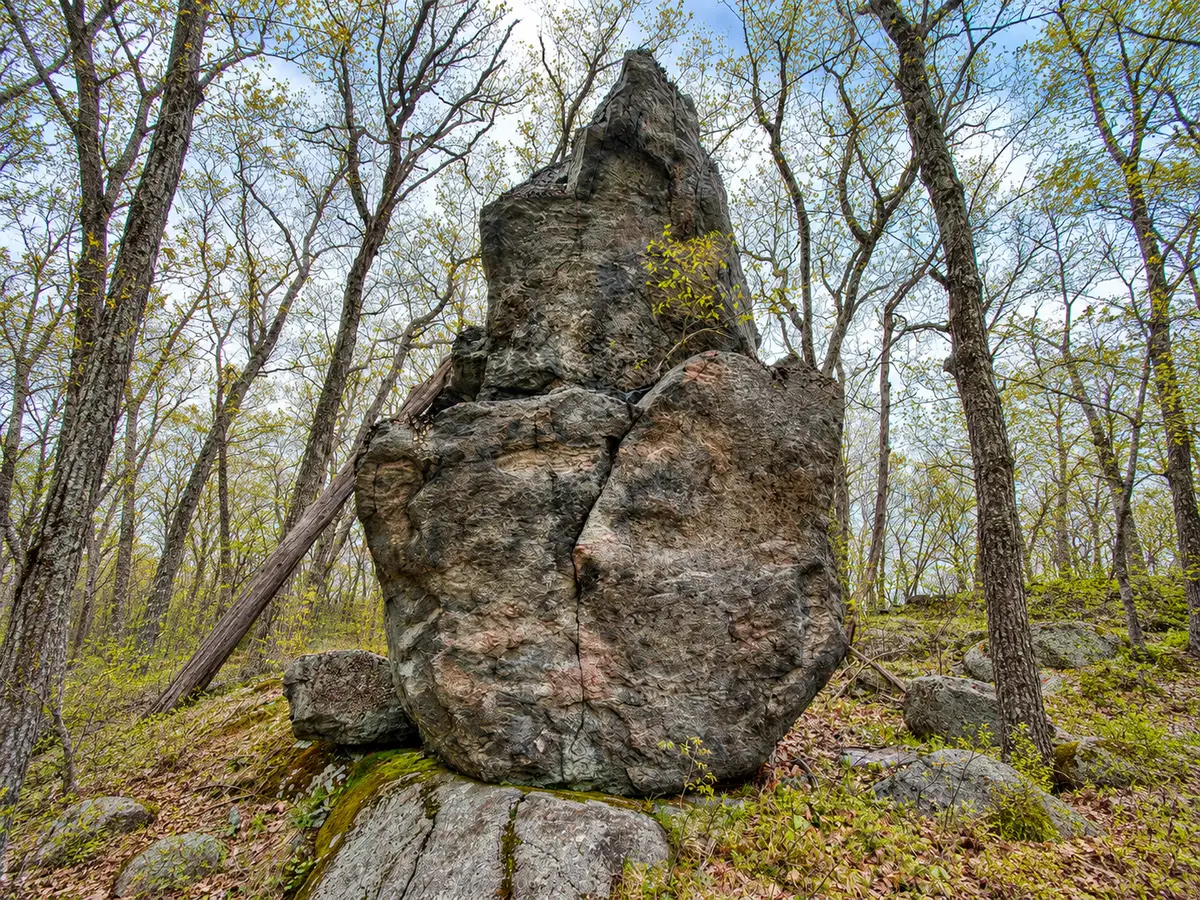
Unearthing the Past: A Geological Quest in Great Mountain Forest
Most Prevalent Themes:
HS-ESS2-1 – Earth’s Materials and Systems
Develop a model to illustrate how Earth’s internal and surface processes operate at different spatial and temporal scales to form continental and ocean-floor features.HS-ESS2-5 – Weathering and Surface Processes
Plan and conduct an investigation of the properties of water and its effects on Earth materials and surface processes.HS-ESS2-7 – Earth’s Systems and the Biosphere
Construct an argument based on evidence about the simultaneous coevolution of Earth’s systems and life on Earth.HS-ESS3-1 – Natural Resources and Human Activity
Construct an explanation based on evidence for how the availability of natural resources, occurrence of natural hazards, and changes in climate have influenced human activity.HS-ESS3-4 – Reducing Human Impacts
Evaluate or refine a technological solution that reduces impacts of human activities on natural systems.Duration:
2 ½ hours - 5 hours
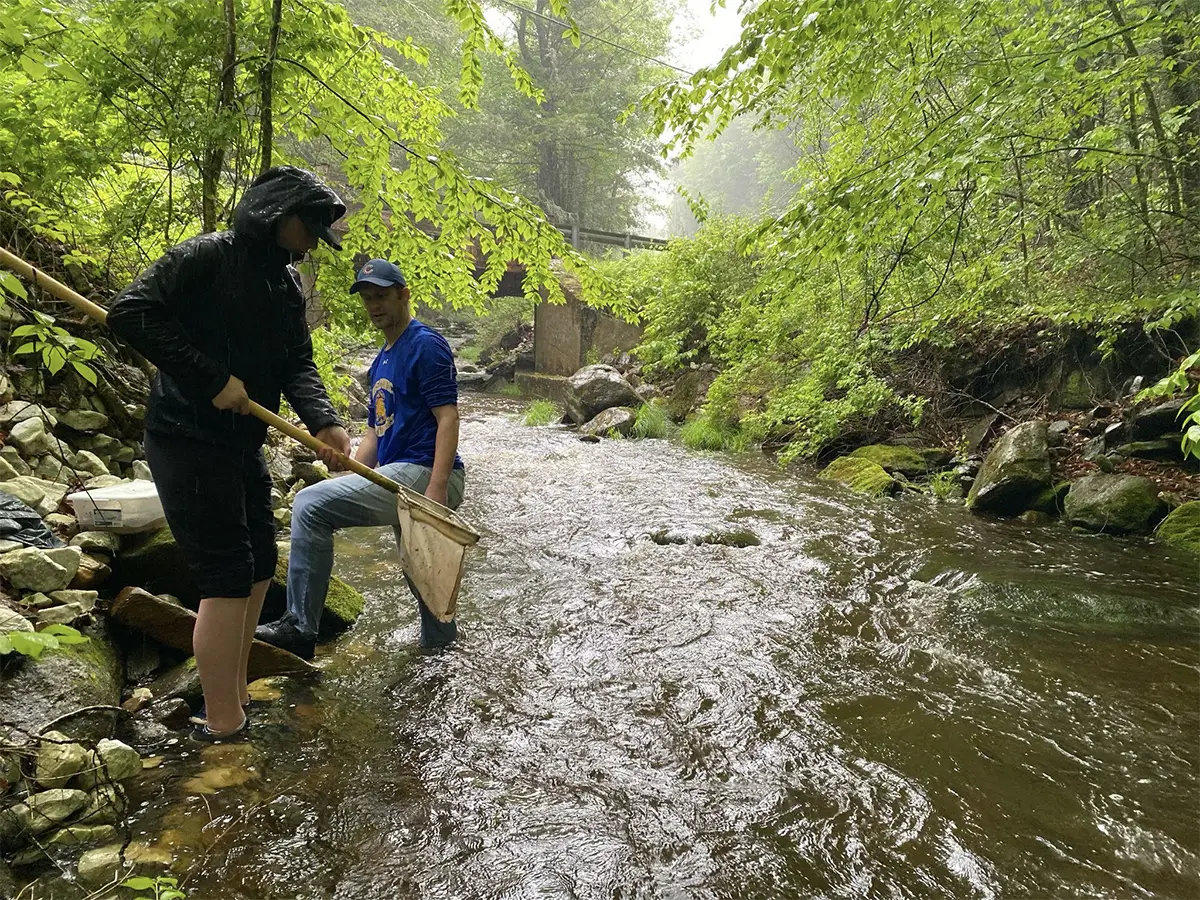
Forest Findings: Surveying Biodiversity in Great Mountain Forest
Most Prevalent Themes:
HS-LS2-2 — Ecosystems: Interactions, Energy, and Dynamics
Use mathematical representations to support and revise explanations about factors affecting biodiversity and populations in ecosystems. Strongest connection: This should be your primary standard. Students collect biodiversity data, calculate relative abundance, density, and a biodiversity index, and use those results to interpret biodiversity at GMF.HS-LS2-6 — Ecosystems: Interactions, Energy, and Dynamics
Evaluate claims, evidence, and reasoning about how interactions within ecosystems contribute to ecosystem stability and how changing conditions can affect that stability. Connection: This fits your discussion of trophic levels, decomposers, functional diversity, food webs, and the CER activity about ecosystem health. Those elements are already central to Stop 3.HS-LS2-7 — Ecosystems: Interactions, Energy, and Dynamics
Design, evaluate, and refine solutions for reducing human impacts on the environment and biodiversity.Duration:
2 ½ hours